
Stop guessing. Most contractors lose jobs before the phone ever rings.
In the Canadian construction sector, 67% of initial project inquiries come through digital channels according to construction marketing research covering North American markets including Canada. That means your referrals, yard signs, and word of mouth still matter, but your digital presence now decides whether a homeowner calls you or the competitor two listings above you.
You don’t need a bloated marketing plan. You need a tight set of construction marketing strategies that do one thing well. Generate qualified leads and turn them into booked jobs. That starts with showing up in local search, converting traffic on your website, and building enough trust that a prospect feels comfortable reaching out.
The contractors who win online aren’t always the best tradespeople. They’re the easiest to find, the easiest to trust, and the easiest to contact.
That’s the gap.
This guide is built for Canadian contractors, renovators, plumbers, electricians, roofers, gardening specialists, and general contractors who want practical direction, not marketing theory. You’ll get direct recommendations, real execution steps, and a clear order of operations so you know what to do first.
Some tactics bring quick lead flow. Others build momentum over time. The smart move is to stack them in the right sequence so your marketing gets stronger every month instead of turning into another expense you can’t track.
Table of Contents
- 1. Dominate Local Search with Hyper-Focused SEO
- 2. Turn Your Website into a 24/7 Sales Rep
- 3. Generate Leads on Demand with Google Ads
- 4. Build Your Brand with Smart Social Media
- 5. Become the Go-To Expert with Content Marketing
- 6. Systematize Reviews to Build Unshakeable Trust
- 7. Secure Your Site and Display Trust Signals
- 8. Nurture Leads with Automated Email Marketing
- 9. Forge Strategic Partnerships and Referral Networks
- Top 10 Construction Marketing Strategies Comparison
- Your 90-Day Implementation Roadmap
1. Dominate Local Search with Hyper-Focused SEO
Local search wins jobs first. If your company does not show up for service-plus-city searches, you are handing booked work to competitors who did less impressive work and marketed it better.
Canadian homeowners search with intent, not curiosity. They look for “roof repair Barrie,” “foundation contractor Calgary,” or “kitchen renovation Vaughan” because they want to hire someone. Your job is to show up in that moment with pages that match the search, a complete Google Business Profile, and clear proof that you work in that area.
Why local SEO should be an early priority
This belongs in your Quick Wins phase because it can improve visibility without the ongoing cost of paid ads. Then it becomes part of your Foundational Growth work as you build out service pages, location pages, and stronger local authority.
Google reports that 76% of people who search for something nearby on their smartphone visit a business within a day, which is exactly why local SEO brings high-intent traffic. For a contractor, that traffic is worth more than random website visits from outside your service area.
Start with the work that moves rankings fastest:
- Claim and fully complete your Google Business Profile: Add the right primary category, secondary categories, service areas, business hours, phone number, website, and recent jobsite photos.
- Keep your business details identical everywhere: Your name, address, and phone number should match on your website, HomeStars, Yelp, Yellow Pages, and local directories.
- Build a separate page for each city you want to rank in: One generic service page will not carry Barrie, Newmarket, Vaughan, and Alliston at the same time.
- Target local search phrases with buying intent: Use terms like “basement renovation Mississauga” or “flat roof repair Toronto,” not broad vanity keywords.
- Add local proof to each page: Include project photos, reviews, service details, and references to the neighbourhoods or cities you serve.
A Simcoe County roofer should not rely on one “Roofing Services” page. Build pages for “Roof Repair Alliston,” “Roof Replacement Barrie,” and “Storm Damage Roofing Newmarket.” That gives Google a clear location signal and gives the homeowner a page that fits the exact search.
Use a simple rule. Every town you want to rank in needs its own proof.
That means unique copy, real project examples, and local relevance on every page. If your current site cannot support that structure, fix the foundation with a contractor website design service built for local lead generation.
Technical issues still matter. Slow load times, weak title tags, broken internal links, thin pages, and poor mobile usability will drag down good local targeting. If your rankings have stalled, this breakdown of why 2025 SEO fails and how to fix it before your traffic tanks is worth your time.
2. Turn Your Website into a 24/7 Sales Rep
Your website should sell for you every hour you are on a jobsite, driving between estimates, or off the clock. If it does not turn visitors into calls and quote requests, it is costing you jobs.
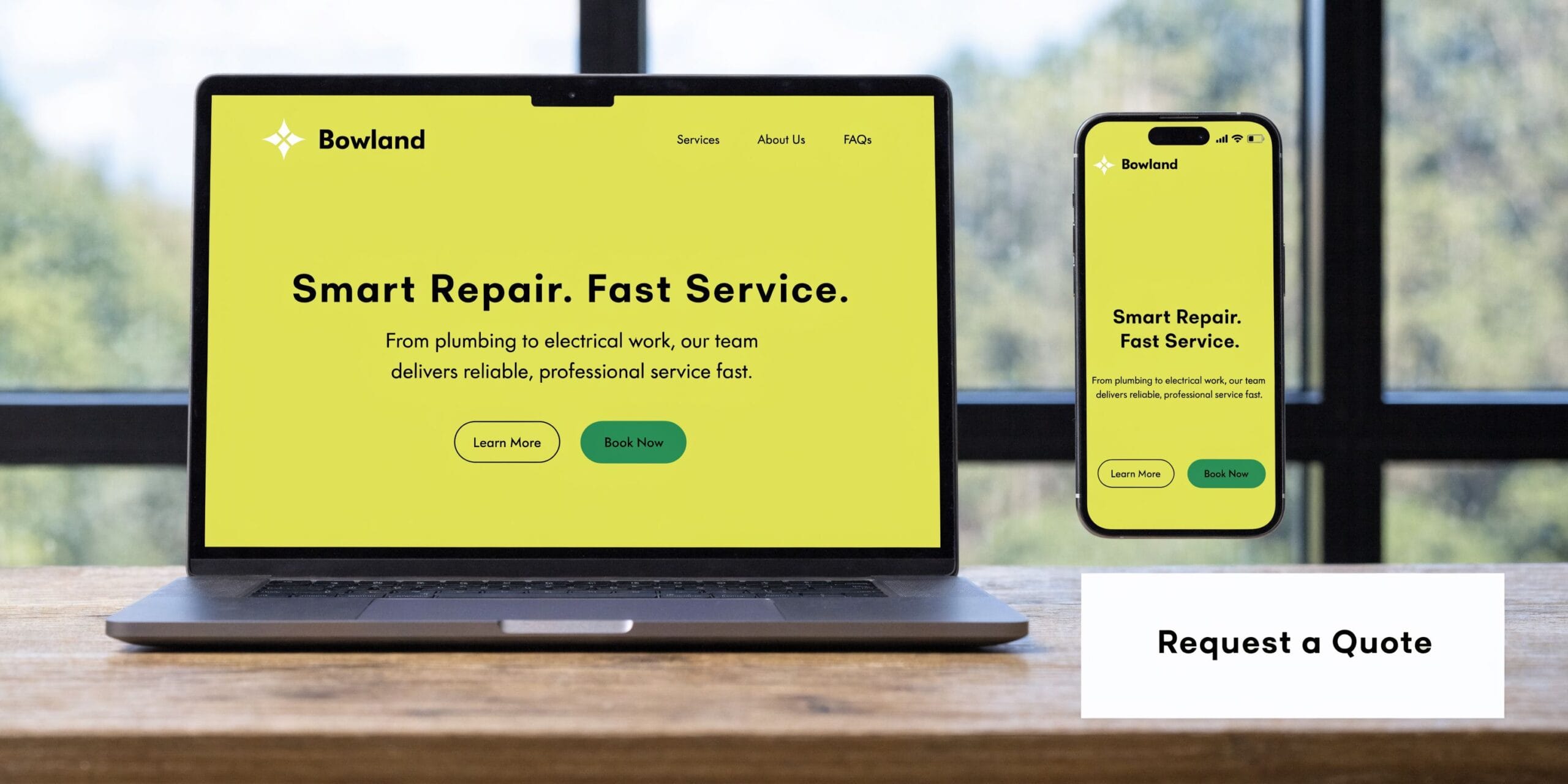
A contractor site has one job. Get the right visitor to take the next step fast. Homeowners should understand your service, service area, credibility, and contact options within seconds. Anything that slows that down hurts conversion.
Interactive elements help keep buyers engaged long enough to act. Clutch notes that interactive content is used to increase engagement and reduce drop-off because visitors spend more time participating than passively reading. For contractors, that means adding tools that support buying decisions, such as a renovation budget calculator, financing prompt, service selector, or short quote form. See Clutch’s overview of interactive content marketing examples and use cases.
What every high-converting contractor page needs
Skip decorative fluff. Build pages around these conversion basics:
- One clear primary call to action: Put your phone number and quote button at the top of the page and keep them visible on mobile.
- A headline tied to the job and location: “Kitchen Renovations in Oakville” beats a vague slogan every time.
- Real project proof: Use your own photos, before-and-after shots, and short captions that explain the scope of work.
- Trust signals near the CTA: Reviews, warranty details, WSIB coverage, licences, insurance, financing options, and brand certifications should sit close to the action button, not buried in the footer.
- Fast contact paths: Click-to-call, short forms, and a clear promise about what happens next.
- Mobile-first formatting: Large buttons, tight copy, and forms that are easy to complete with one hand.
A good service page answers the buyer’s real questions before they ask them. Can you do this job? Have you done it before? Do you work in my area? How fast will you respond? Why should I trust you in my home?
Here is the priority order I recommend for Canadian construction businesses.
Quick Wins: fix your headline, move your CTA higher, shorten your forms, replace stock photos, and add review snippets to your top service pages.
Foundational Growth: rebuild service pages around one service and one buying intent, improve mobile usability, add project galleries, and tighten page copy so every section supports a call or quote request.
Scaling: create landing pages tied to paid traffic, add quote-assist tools, track calls and form submissions properly, and connect high-converting pages to your Google Ads management for contractors so clicks turn into booked estimates instead of wasted traffic.
A practical example. A plumbing emergency page should open with the service and city, show a tap-to-call button immediately, list urgent issues handled, display recent local reviews, and keep the form short. A homeowner dealing with a burst pipe is not scrolling through your company story.
If your site looks decent but leads stay weak, fix the conversion system before chasing more traffic. A purpose-built website design service for contractors and local businesses can restructure the page flow, copy, and calls to action around booked jobs.
Every page should make trust obvious. If a homeowner has to hunt for proof, they leave.
3. Generate Leads on Demand with Google Ads
Google Ads is the fastest way to get quote requests from homeowners already searching for your service.
Use it for demand capture, not brand building. If someone searches “emergency plumber Mississauga” or “roof leak repair Ottawa,” you want your company in front of them now. That makes Google Ads one of the best Quick Wins in this guide for Canadian contractors who need leads this month, not six months from now.
Paid search works best for urgent services, seasonal spikes, and high-ticket jobs where speed matters. It also works when you have a clear service area, a strong offer, and a landing page built to get calls.
Where contractors waste money
Bad account structure. Broad keywords. Weak landing pages. No call tracking.
That is usually the problem.
Set up campaigns by service, city, and intent. Emergency plumbing should be separate from drain cleaning. Roof repair should be separate from roof replacement. Branded searches should not share budget with non-branded searches. If you lump everything together, Google will spend money where clicks are cheap, not where booked jobs are likely.
Use this setup:
- Split campaigns by core service: one campaign for each revenue-driving service line
- Target local, high-intent searches: service plus city, service plus “near me,” and urgent problem phrases
- Add negative keywords early: jobs, career, salary, DIY, course, YouTube, free, and wholesale
- Track calls and forms properly: count leads, not clicks
- Send each ad to a matching page: the ad promise, page headline, and CTA should match exactly
A practical example. A roofing contractor in the GTA can run separate campaigns for storm damage, leak repair, and insurance-related searches, then send each click to the right landing page with a call button, service-area proof, and a simple estimate form. That structure gives you cleaner data and better lead quality.
Prioritize Google Ads in the right order
For most Canadian construction companies, the rollout should look like this:
Quick Wins: launch one tightly focused search campaign for your highest-margin or fastest-closing service, restrict it to your actual service area, add call extensions, and block junk keywords from day one.
Foundational Growth: build dedicated landing pages for each service, connect call tracking and form tracking, review search term reports weekly, and shift budget toward keywords that produce booked estimates.
Scaling: expand into more cities, add remarketing, test Local Services Ads where available, and support paid traffic with stronger creative across channels, including proven hashtag strategies that help contractor content reach more local buyers.
One rule matters more than the rest. Never send paid traffic to a generic homepage.
If you want a faster start, this Google Ads service for local lead generation gives you the structure most trades need from day one. Tight targeting, strong calls to action, and proper tracking.
Google Ads should produce calls, forms, and booked estimates. If it is not doing that, fix the account structure and landing pages before you spend another dollar.
4. Build Your Brand with Smart Social Media
Social media does not win jobs because you posted three times this week. It wins jobs when a homeowner can see your standards in under 30 seconds and decide you look trustworthy enough to call.
For Canadian contractors, social should sit behind your website, SEO, and Google Ads in the priority stack. Then it becomes a force multiplier. It reinforces credibility, keeps your name in front of warm prospects, and gives past visitors another reason to come back.
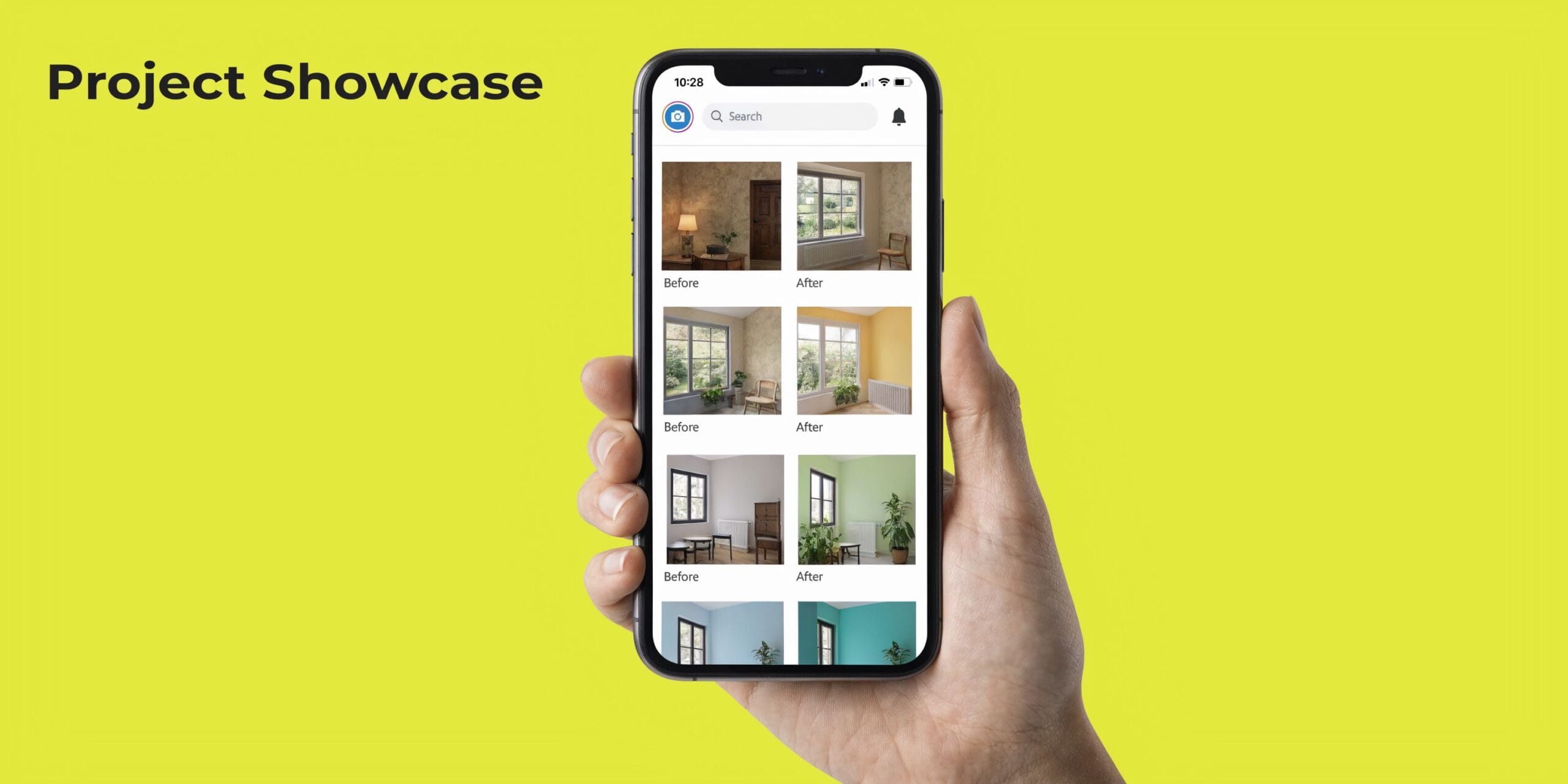
Use this as your visual storefront:
Post proof, not fluff
The Construction Marketing Association notes that social media is a standard marketing channel for construction firms, which is exactly why weak, generic posting gets ignored. Your buyers are not looking for memes or motivational quotes. They are checking whether your work looks clean, organized, and worth the price.
Show them evidence:
- Before-and-after carousels: Start with the finished result, then show the problem you solved.
- Short jobsite videos: Walk through progress, materials, and finish quality.
- Completed project posts: Add the city, the scope, and one specific challenge you handled well.
- FAQ clips: Answer the questions sales calls repeat every week.
- Retargeting creative: Reuse your best project photos and videos for paid social follow-up.
A renovation company in Ontario should post a kitchen transformation with the final reveal first, then demolition, millwork, lighting, and trim details. A roofing company should show flashing, underlayment, cleanup, and the finished roofline. An electrician should explain what homeowners need to know before a panel upgrade, with clear footage from an actual job.
Use a simple rollout plan
Do not treat social media like a full-time publishing operation. Build it in stages.
Quick Wins: post one to two finished projects each week, add your service area to captions, tag locations, and make sure every profile links back to your website contact page.
Foundational Growth: create repeatable content categories, assign someone to capture photos and short videos on every job, collect client approval for project features, and turn common sales questions into short educational posts.
Scaling: run retargeting ads to site visitors, boost top-performing proof posts in your best service areas, and build a monthly library of project content so your team is not scrambling for material.
Local discovery still matters. If your posts are solid but reach is weak, tighten your location tags and use local hashtag tactics that help contractor content reach more nearby buyers.
You do not need every platform. For most contractors, Facebook and Instagram are enough to start. If your ideal jobs come from homeowners, post visible proof of work, keep the branding clean, and stay consistent for six months. That is how social media starts supporting booked estimates instead of wasting time.
5. Become the Go-To Expert with Content Marketing
The contractor who answers the buyer’s question first often gets the estimate request.
Content marketing earns attention before a homeowner is ready to call. They start with questions. What will this cost? Do I need a permit? Which material lasts longer in this climate? What rebates still apply? If your company gives clear answers tied to real jobs in your market, you build trust before your competitors even know the lead exists.
Treat content like a sales filter, not a publishing hobby. A strong content program brings in better-fit leads, cuts down on repetitive sales calls, and helps prospects show up informed instead of confused.
Publish content tied to jobs you want
Start with topics that match buyer intent and revenue. For Canadian contractors, that usually means:
- Cost pages: Bathroom renovation cost in Ontario, roof replacement cost for detached homes, basement finishing price ranges.
- Comparison pages: Metal roofing versus asphalt shingles, heat pump versus furnace, tankless versus standard water heater.
- Regulation pages: Permit timelines, inspection steps, code-related considerations, local rebate questions.
- Problem pages: Why a basement smells damp, signs an electrical panel needs upgrading, what ice dam damage looks like.
These pages work because they answer the exact questions people ask before they book an estimate. They also attract leads who are already evaluating the job, not just casually browsing.
One content angle many contractors ignore is energy efficiency. That is a mistake. Homeowners across Canada are paying more attention to operating costs, rebates, and better-performing homes. If you handle insulation, windows, HVAC, roofing, or renovation work, publish pages about efficiency upgrades, net-zero-ready renovations, and compliance questions in your province. Research on Ontario green building regulations and market demand points to a clear opportunity for firms that explain this topic well online: green building regulations in Ontario.
Follow a simple rollout plan
Do not try to build a giant content library at once. Build the pages that can influence revenue fastest, then expand.
Quick Wins: publish three to five bottom-of-funnel articles tied to high-ticket services. Start with cost, timeline, permit, and comparison topics for your best service area.
Foundational Growth: turn your sales team’s common questions into location-specific service guides. Add photos from completed jobs, explain your process clearly, and include a direct next step on every page.
Scaling: build topic clusters around profitable categories such as kitchen renovations, roofing, custom homes, or energy upgrades. Update older pages with new examples, local details, and stronger calls to action so they keep producing leads.
A good page should do three jobs. Rank for a real search, educate the buyer, and push the right prospect toward contact.
Write the page your estimator wishes every prospect had read before the first call.
For example, an insulation contractor in Ontario should not publish a vague article about home efficiency. Publish a page answering specific questions about attic insulation upgrades, rebate eligibility, expected savings, and how long the job takes in older Ontario homes. That content attracts buyers with intent and pre-qualifies them before your phone rings.
6. Systematize Reviews to Build Unshakeable Trust
Reviews are not optional admin work. They are revenue protection.
A homeowner comparing three contractors will scan reviews before they read your About page. They want to know whether you show up, communicate well, clean up properly, and stand behind the job.
The mistake is leaving review requests to chance. Good companies ask consistently. Weak companies ask only when someone in the office remembers.
How to make review collection routine
Build a simple system and make it repeatable:
- Ask right after completion: Send the request while the result is fresh and the client is still happy.
- Use a direct link: Don’t make people search for your profile.
- Train your team to ask in person: A verbal request before the text or email raises response rates.
- Reply to every review: Thank happy clients and handle criticism professionally.
- Show reviews on your website: Don’t let your best proof stay trapped on Google.
The true advantage isn’t just trust. Reviews also strengthen local visibility when they mention your service and location naturally.
A practical scenario. Your crew finishes a bathroom renovation in Vaughan. The project manager does a final walkthrough, confirms the client is happy, then says, “If you’re pleased with the work, we’d appreciate a Google review. It helps local homeowners find us.” Five minutes later, the office sends a direct review link by text.
Steady volume beats sporadic bursts. A regular flow of fresh reviews signals that your business is active and reliable.
For contractors running on word of mouth, this is one of the easiest construction marketing strategies to systematize. It doesn’t require a new platform, a redesign, or a big budget. It requires discipline.
7. Secure Your Site and Display Trust Signals
A slow, insecure, sloppy website costs booked jobs. Homeowners may not explain it that way, but they feel it immediately.
Security and trust signals belong in the Quick Wins phase of your marketing plan because they improve conversion without increasing ad spend. If you are paying for traffic through SEO, Google Ads, or referrals, your site needs to look legitimate the second someone lands on it. For Canadian contractors, that means protecting the site, proving the business is real, and removing any reason to hesitate.
What trust looks like online
Start with the basics your prospects expect to see right away:
- Use HTTPS: If your site still shows a security warning, fix it first.
- Show full business details: Business name, phone number, email, address, and service area.
- Display proof of legitimacy: Licence information, insurance, certifications, association memberships, and warranty terms.
- Publish a privacy policy: Canadian visitors expect it, and lead forms should never sit on a site without one.
- Keep the site updated: Old plugins, broken forms, and outdated themes make your business look neglected.
The broader point is simple. Customers regularly dismiss businesses with little or no online presence, and a weak website creates the same problem. A site that looks incomplete, unsecured, or anonymous does not just hurt credibility. It lowers enquiry rates.
Put trust signals where people look. Header, footer, contact page, quote form, and service pages. Do not hide your licence, insurance status, or warranty behind a generic About page.
An electrician’s site is a good example. The footer should list the legal business name, local phone number, email, licence details, and a clear “Licensed and Insured” statement. The contact page should add warranty information, service standards, and real team or office details. That is a fast credibility upgrade and an easy win in the first 30 days of your implementation roadmap.
A trust signal only helps if the visitor sees it before submitting the form.
Treat site security and trust proof as sales infrastructure. Fix them early, then build on top of them in your Foundational Growth and Scaling phases. More traffic helps only after your website looks safe, legitimate, and ready to take the lead.
8. Nurture Leads with Automated Email Marketing
Most leads don’t book on the first visit. That doesn’t mean they’re bad leads.
They might be comparing contractors, waiting on financing, discussing scope with a spouse, or planning for a seasonal start date. If you disappear after the first enquiry, you leave money on the table.
Email solves that problem. Cheaply. Consistently.
What to automate first
Start with a short sequence, not a newsletter obsession.
Use three simple automations:
- New lead follow-up: Thank them, restate your service area and process, and make booking the next step easy.
- Estimate follow-up: Send a reminder, answer common objections, and reinforce your credibility with project examples.
- Seasonal service reminders: Stay relevant when timing matters, such as winter emergency work or spring exterior projects.
This becomes even more useful during slow periods. Research focused on Ontario contractors highlights a major off-season revenue drop for many firms and points to winter-specific local search opportunities that most businesses ignore. That makes seasonal construction slowdown marketing ideas worth applying to your follow-up calendar as well as your SEO.
A practical scenario. A roofing company collects emails from homeowners who requested quotes but delayed the job. In early spring, it sends a brief message featuring recent repair photos, a reminder about freeze-thaw damage, and a prompt to rebook an inspection.
Email works best when it’s tied to behaviour. Someone who asked about basement finishing shouldn’t get furnace emails. Someone who requested emergency plumbing shouldn’t wait two weeks for a generic newsletter.
Useful beats clever here. Send fewer emails. Make them relevant. Ask for one clear action.
9. Forge Strategic Partnerships and Referral Networks
Some of the best leads come from people your customers already trust.
Think real estate agents, interior designers, property managers, restoration companies, mortgage brokers, flooring stores, window dealers, and complementary trades. These relationships can feed you work that arrives warmer, faster, and better qualified than cold traffic.
Partnerships that send work
Don’t “network” in a vague way. Build referral paths around real customer journeys.
Start by identifying who a homeowner deals with before, during, or after your service. Then make a direct offer.
Good partnership fits include:
- Realtors and home inspectors: Pre-sale fixes, inspection repairs, upgrades before listing.
- Interior designers: Renovation execution after design approval.
- Property managers: Ongoing maintenance and emergency service calls.
- Complementary trades: Painters, flooring installers, cabinet shops, HVAC companies, electricians, plumbers.
- Community business groups: Local Chambers and trade associations.
There’s also a strong off-season angle here. The same research on Ontario seasonal slowdowns notes that bundled winter-prep offers with complementary businesses can produce strong returns, making partnerships especially valuable when demand softens.
In practice, a roofer can partner with an insulation contractor to offer attic and roof problem diagnosis before winter. A plumber can align with a restoration company for emergency water-damage response. A general contractor can become the preferred build partner for two interior designers who don’t want to manage trades.
Track every referral. Thank partners quickly. Protect their reputation when they send someone your way.
This is one of the oldest construction marketing strategies around, and it still works because trust transfers. When the right local partner recommends you, the sale starts halfway closed.
Top 10 Construction Marketing Strategies Comparison
| Strategy | 🔄 Implementation | ⚡ Resources | 📊 Expected Outcomes / ⭐ | Ideal Use Cases | 💡 Key Advantage |
|---|---|---|---|---|---|
| Dominate Local Search with Hyper-Focused SEO | Medium–High effort; 3–6 months to see results; ongoing optimization | Moderate budget; SEO specialist, content, citation management | Strong local visibility and sustained targeted leads; long-term ROI ⭐⭐⭐⭐ | Local contractors targeting specific towns/neighbourhoods | Dominates Map Pack and builds trust via reviews; keep NAP consistent |
| Turn Your Website into a 24/7 Sales Rep | Low–Medium; 2–4 weeks to launch initial design; iterative testing | Moderate; web dev, CRO, high-quality photos | High conversion uplift from existing traffic; improves UX and mobile conversions ⭐⭐⭐⭐ | Businesses with existing traffic that need better conversion | Converts visitors into leads immediately; place primary CTA above the fold |
| Generate Leads on Demand with Google Ads | Low setup; 1–2 weeks to launch; requires ongoing management 🔄 | Variable to high; ad spend + PPC expertise | Immediate visibility and fast, measurable leads; cost-per-lead varies ⭐⭐⭐ | Time-sensitive lead generation (emergencies, storms, promotions) | Quick pipeline fill with precise local targeting; track conversions and use call extensions |
| Build Your Brand with Smart Social Media | Ongoing; 4-week organic ramp-up; 1 week to launch paid | Moderate; content creation, photography/video, ad budget | Increased brand awareness, visual leads, strong retargeting potential ⭐⭐⭐ | Visual businesses (renovations, exterior design projects) wanting community engagement | Showcases work visually and supports retargeting; post quality before/after content |
| Become the Go-To Expert with Content Marketing | Ongoing; consistent publishing; results ~3+ months | Low–Moderate over time; writers, SEO, editorial calendar | Long-term organic traffic and authority; qualified research-stage leads ⭐⭐⭐⭐ | Businesses targeting customers in research phase and SEO growth | Creates evergreen assets that attract qualified leads; target long-tail keywords |
| Systematize Reviews to Build Unshakeable Trust | Low setup; 1–2 weeks to implement system; ongoing requests | Low; review tools, SMS/email follow-up, staff process | Improved local rankings, higher CTR and trust; strong social proof ⭐⭐⭐⭐ | Local service providers where reputation drives choice | Reviews are a top local ranking factor; request reviews within 24 hours |
| Use Video to Showcase Your Craftsmanship | Ongoing; ~1–2 weeks per video production | Moderate–High; videographer, equipment, editing time | Very high engagement and trust; shareable reach and SEO benefits ⭐⭐⭐⭐ | Visual transformations, testimonials, social growth strategies | Builds emotional connection and demonstrates quality; include subtitles and a hook early |
| Secure Your Site and Display Trust Signals | Low; initial 1–2 weeks setup; ongoing maintenance | Low–Moderate; SSL, security tools, legal/compliance checks | Higher conversions, slight SEO boost, reduced risk of breaches ⭐ | Any business collecting leads or payments online | Essential credibility signals (HTTPS, licences); keep software updated |
| Nurture Leads with Automated Email Marketing | Low–Medium; 2–4 weeks to set up sequences; ongoing | Low–Moderate; email platform, copywriting, list-building | High ROI and effective for long sales cycles and repeat business ⭐⭐⭐⭐ | Businesses with long decision cycles or repeat customers | Owns the audience and automates follow-up; use lead magnets and segmentation |
| Forge Strategic Partnerships and Referral Networks | High time investment; ongoing; initial 2–3 months to build momentum | Low–Moderate cash; significant time for networking and agreements | Steady stream of warm, high-converting referrals; lower CPL over time ⭐⭐⭐⭐ | Contractors serving homeowners and B2B local markets | Delivers highly qualified referrals with strong close rates; track referrals and reciprocate |
Your 90-Day Implementation Roadmap
Reading is easy. Doing is hard. Most contractors don’t need more ideas. They need a sequence they can execute without blowing up the schedule or wasting money on disconnected tactics.
Use this roadmap.
Phase 1 is about quick wins in the first 30 days. The priority is immediate lead flow and visible trust. Start by claiming and fully optimizing your Google Business Profile. Tighten your categories, service areas, hours, photos, and business details. Then build a review request process your team can run after every completed job. Don’t overcomplicate it. A direct ask in person, followed by a text with the review link, is enough to start.
At the same time, launch a tightly focused Google Ads campaign for your highest-margin or highest-urgency service. Keep it local. Keep it specific. Send traffic to a matching landing page, not your homepage. If you’re a plumber, that may be emergency service. If you’re a roofer, storm repair might be the better fit. If you’re a renovation company, target the service with the strongest close rate and healthiest margins.
Phase 2 covers days 31 to 90. During this period, you build the assets that make every future click more valuable. Fix your website first. Put your main call to action above the fold, remove clutter, add original project photos, and make your trust signals obvious. Then secure the site properly. HTTPS, plugin updates, privacy policy, visible credentials, and complete contact information are not optional.
Next, put your social presence on rails. Don’t aim for perfection. Aim for consistency. Post before-and-after work, project walkthroughs, quick education clips, and local proof that shows the quality of your workmanship. Social should reinforce trust, not drain your time.
Phase 3 starts around month 3 and continues through month 6 and beyond. In this phase, you build authority and long-term stability. Publish content that answers real customer questions and supports your service pages. Create video from completed projects so your craftsmanship becomes visible before the estimate. Start capturing leads who aren’t ready yet and nurture them with email follow-up tied to service interest and seasonality. Then formalize strategic partnerships with local businesses that serve the same homeowners before or after your work.
Here is why this matters. The strongest construction marketing strategies don’t work in isolation. They stack. Local SEO gets you found. Reviews build trust. Your website converts the visit. Google Ads fills demand gaps. Social and video prove the quality. Content builds authority. Email keeps opportunities alive. Partnerships add a parallel lead source that doesn’t depend on algorithm changes.
If you try to do everything at once, execution gets sloppy. If you phase it properly, each move makes the next one perform better.
That’s how you stop treating marketing like a gamble and start treating it like an operating system for booked jobs.
If you want a partner that understands contractors, local search, lead generation, and conversion-focused websites, Boost Local Business is built for exactly that. They help Canadian home service and construction companies turn weak online visibility into real enquiries with SEO, Google Ads, website design, social campaigns, and proactive website management that keeps your digital presence secure, current, and working.